Radiology & Imaging – Complete Guide for Students
Radiology & Imaging is a key Allied Health Sciences program that focuses on medical imaging techniques used to diagnose and monitor disease. Radiology professionals help doctors by producing clear diagnostic images using modern equipment and safe clinical practices.
Radiology & Imaging me students X-ray, ultrasound aur CT/MRI jaisi techniques ka basic concept seekhtay hain. Is field me patient safety aur radiation protection bohat important hoti hai.
📘 Radiology & Imaging (MIT) Study Hub
Semester-wise Subjects + Notes + MCQs + Books references + Past Papers guide.
What Is Radiology & Imaging?
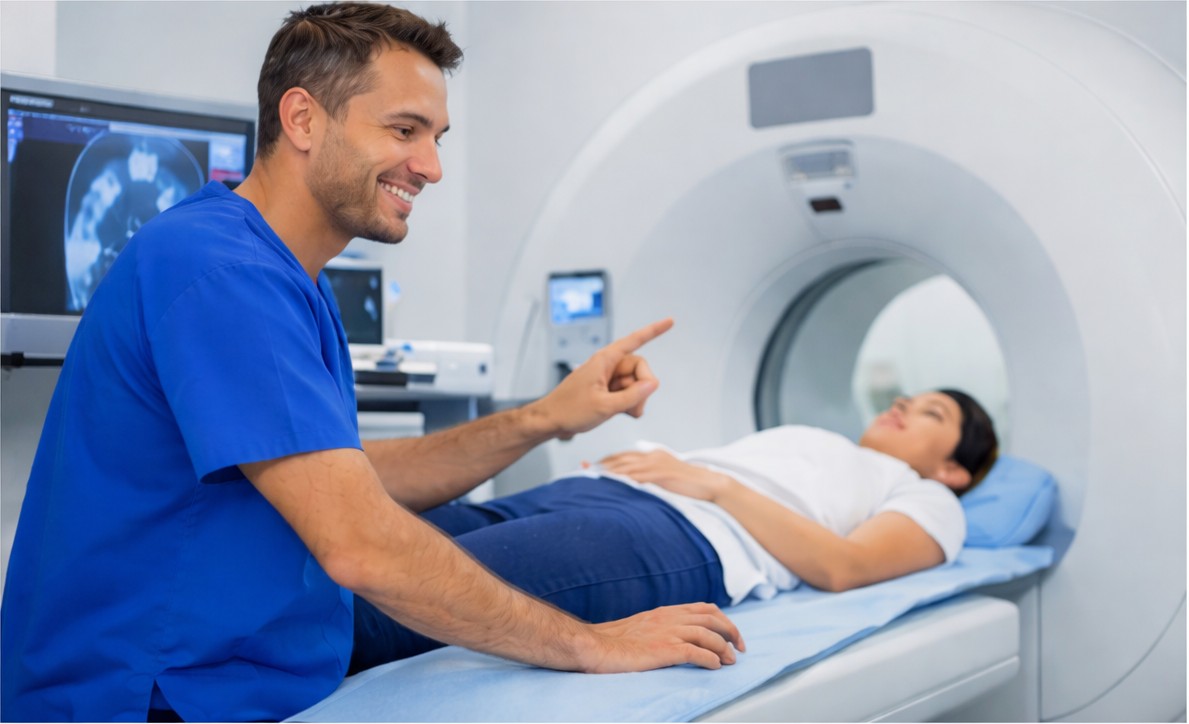
Radiology is the medical field that uses imaging to diagnose conditions inside the body. Imaging may include X-ray, ultrasound, CT scan, MRI and other techniques depending on the facility.
Key Responsibilities of Radiology/Imaging Professionals
- Preparing patients for imaging procedures
- Operating imaging equipment safely and accurately
- Positioning patients to obtain clear diagnostic images
- Following radiation safety and infection control protocols
- Maintaining imaging records and assisting radiologists
Common Subjects in Radiology & Imaging
Subjects vary by institute, but often include:
- Radiographic Anatomy
- Radiographic Techniques & Positioning
- Radiation Physics (basic)
- Radiation Protection & Safety
- Ultrasound fundamentals (where applicable)
- CT/MRI basics (intro level)
- Patient Care & Communication
Skills Required for Success
- Strong communication (patient handling & instructions)
- Attention to detail (image clarity and positioning)
- Safety mindset (radiation protection and protocols)
- Basic computer skills (digital imaging systems)
- Teamwork with doctors, nurses and radiologists
Internship & Clinical Training
Training is essential in Radiology because real-life imaging work requires correct positioning, patient handling, and safety procedures. During internship you learn workflow of radiology departments and how imaging reports are managed.
Read also: Internships & Training Guide
Career Scope in Pakistan
Radiology & Imaging has strong demand due to growth of hospitals and diagnostic centers. Jobs are commonly available in:
- Government and private hospitals
- Diagnostic centers (imaging labs)
- Trauma and emergency departments
- Specialist clinics (orthopedics, cardiac, etc.)
- Teaching hospitals and medical institutes
Related: Career Scope of Allied Health Sciences in Pakistan
Salary Expectations (General Idea)
Salary depends on experience, skills, city, and institute type. Fresh graduates start at entry level, and growth improves with experience, strong performance, and specialization.
Tip: Patient handling + safety + strong positioning skills = better professional value in Radiology.
Study Tips for Radiology Students
- Focus on anatomy and positioning (core of radiology)
- Learn safety rules and radiation protection carefully
- Practice viva questions (equipment + safety + positioning)
- Revise commonly used views and techniques regularly
- Use diagrams and short notes for quick revision
Read also: Study Tips for Allied Health Students
FAQs – Radiology & Imaging
Is Radiology & Imaging a good field?
Yes. Imaging is essential in modern healthcare, and skilled radiology professionals are required in hospitals and diagnostic centers.
Is radiation dangerous?
Imaging departments follow strict safety protocols. If you follow radiation protection rules, the work environment is considered safe.
Can Radiology students work abroad?
Opportunities exist depending on country requirements, certifications, and experience. Strong clinical training and documentation help.
Disclaimer: This page is for educational guidance only. Course structure and rules may vary by institute. Always follow your university/department policies.